Ask any retailer what keeps them up at night, and audit season often ranks high, not due to wrongdoing, but because reconciling thousands of transactions with bank records is complex and time-consuming. Manual processes create operational drag, introduce errors and divert attention from core business priorities.
Industry data shows that retail shrinkage, often linked to administrative and reconciliation gaps, costs businesses around $100 billion each year. For finance and operations leaders, this underscores the need to embed audit readiness into everyday workflows rather than treat it as a year-end exercise.
Pine Labs One helps close this gap by transforming how transaction data is captured and managed at the point of sale. When transaction tracking is disciplined at the source, audits shift from reactive investigations to straightforward validations, reducing risk, effort and disruption.
The blind spot in the modern checkout
Merchants often see their PoS system as a sales tool. In reality, it is the primary data engine feeding finance, inventory and customer systems. Every swipe, tap and scan generates intelligence that shapes financial accuracy.
When PoS tracking is treated as an afterthought, it creates operational blind spots, such as:
- High-value voids processed without approval
- Cash drawers failing to reconcile at shift change
- Inconsistent application of discretionary discounts
Industry research indicates that spreadsheet-based processes can contain error rates exceeding 1% of entries, a significant risk when multiplied across thousands of daily transactions.
These are not minor workflow issues; they are financial leakages that compound over time. As transaction volumes scale, spreadsheet-based reconciliation becomes unsustainable, increasing exposure to human error and audit risk. The challenge is rarely a lack of data, but the absence of structured, verifiable data.
How Pine Labs One turns transactions into financial intelligence
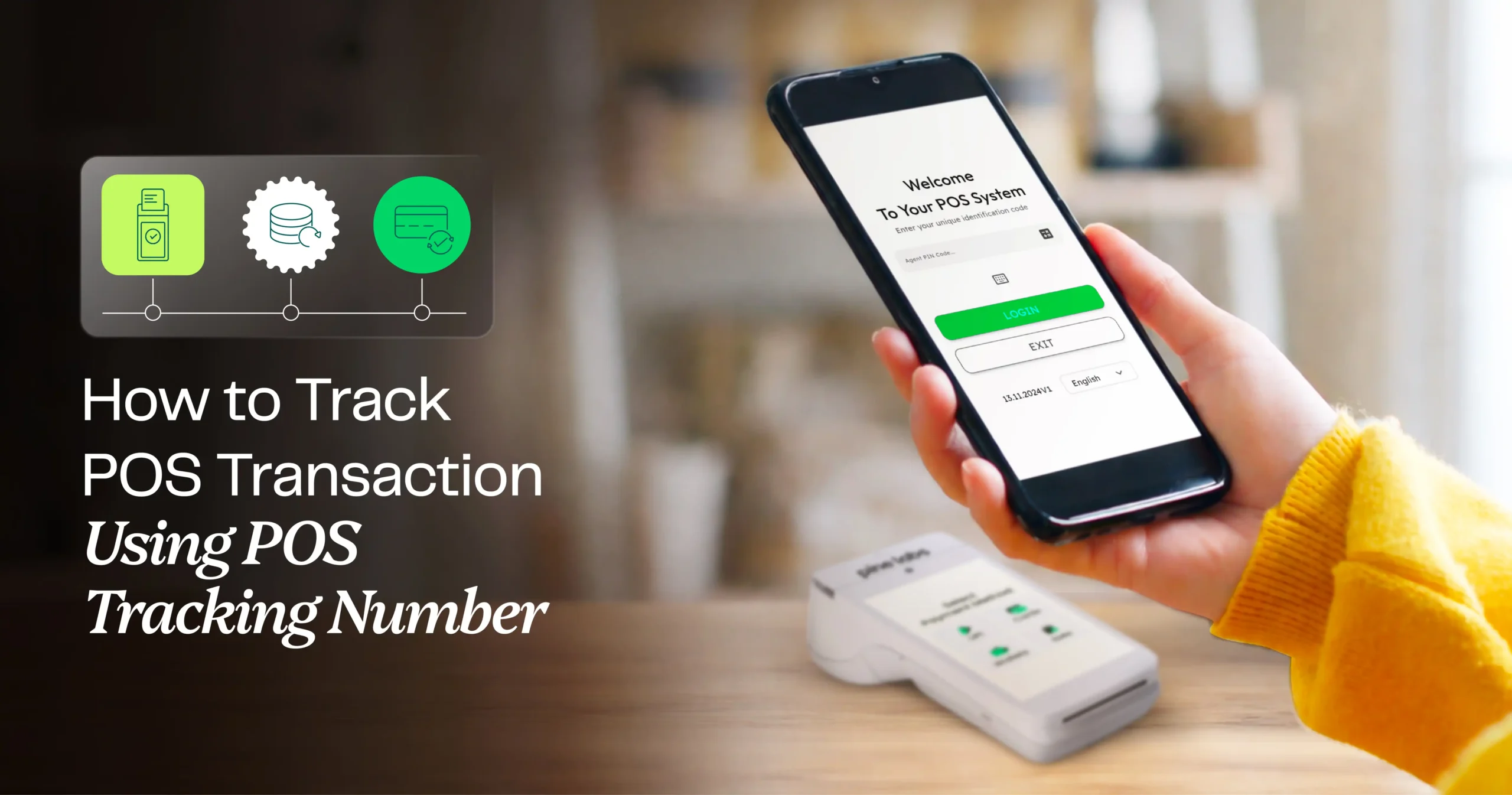
Retail PoS is evolving from a digital cash register into a financial control centre. Pine Labs One enables this shift by providing a unified view of operations through a single app and web dashboard.
Finance leaders gain instant visibility into sales, transaction volumes and customer-linked payments without navigating multiple systems. Digital charge slips are securely stored and searchable, eliminating paper trails and reducing retrieval time during reviews.
This changes audit preparation fundamentally. Compliance becomes a natural outcome of daily workflows rather than a separate exercise. Pine Labs One builds a digital chain of custody for every rupee by:
- Securing sensitive actions with OTP-based authorisation for refunds and credits
- Linking customer details to each transaction for traceability
- Enabling real-time analysis by store, cashier or time period
The result is exception-based reporting: teams focus on anomalies instead of manually reviewing entire datasets. A spike in voids or refunds becomes immediately visible and actionable.
How Pos Transaction Tracking can help in Zero – Error Billing
For multi-location retailers, disciplined PoS tracking delivers the greatest value during reconciliation. Pine Labs One automatically maps settlements to transactions and presents them in streamlined reports, replacing days of manual validation with a clear, centralised view.
Consider a high-volume seasonal sale:
- Traditional setup: Finance teams battle fragmented records, delayed validations and reconciliation backlogs.
- With Pine Labs One: Every payment mode, cash, card or UPI, is tagged, tracked and stored with full visibility.
When auditors request documentation, the data is already structured and export-ready. This not only accelerates audits but also strengthens internal financial governance.
According to industry studies, organisations that adopt automated reconciliation workflows commonly report around 40% faster month-end close timelines, driven by reduced manual intervention.
Disciplined tracking also protects margins by embedding controls directly into checkout workflows:
- Role-based permissions for exception handling
- OTP-secured refunds to prevent misuse
- Complete visibility into who processed each transaction and when
These safeguards operate without slowing customer experience.
Built for compliance, designed for growth
Sustainable audit readiness is less about introducing new layers of control and more about strengthening everyday transaction discipline. Pine Labs One brings settlements, device management and payment visibility into a single operational environment, helping teams maintain consistency without adding complexity.
Reliable uptime supports uninterrupted business activity, while integrations with existing billing and enterprise systems allow organisations to enhance oversight within familiar workflows. Automated settlement views simplify reconciliation and reduce dependency on manual validation, enabling finance teams to focus on insights and exception management.
Over time, this structured approach helps create a transparent payment ecosystem that supports compliance while allowing operations to scale with confidence. Explore how disciplined PoS tracking can simplify reconciliation and strengthen audit preparedness.
FAQs
You can use real-time PoS tracking to identify anomalies such as unusual voids or adjustments. This allows you to address issues early, preventing them from escalating into larger reconciliation or audit challenges later.
Yes, structured PoS tracking automatically categorises transactions by payment type, making reconciliation across cash, card and digital payments more efficient.
Traceability ensures every entry can be verified. PoS tracking provides full linkage between transaction, user, device and timestamp.
With PoS tracking, each transaction is automatically mapped to its payment mode, ensuring clean reconciliation.
Standardised PoS tracking ensures uniform transaction recording across all platforms, reducing mismatches and data errors.