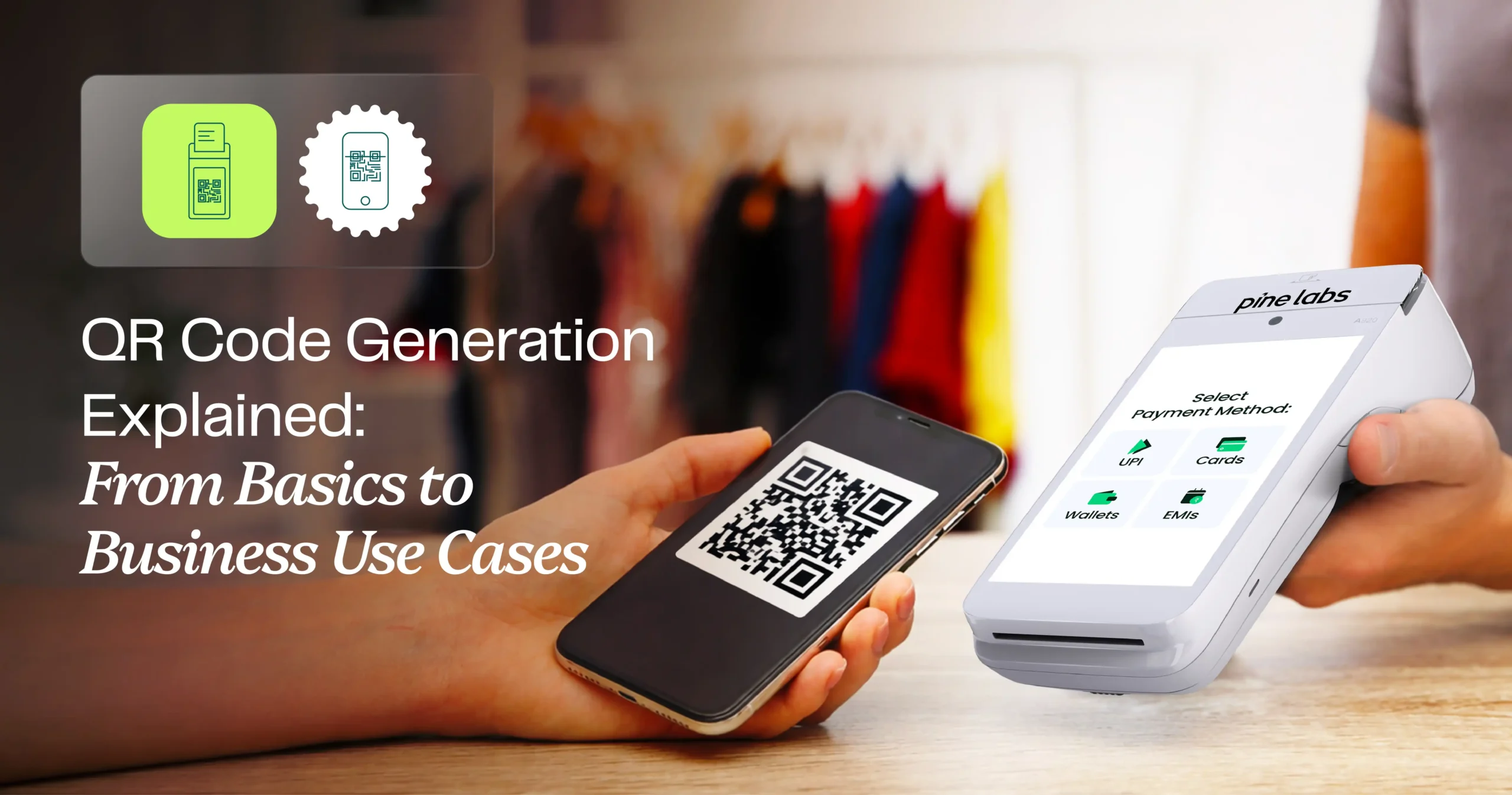
Walk into any shop today, and you will see it immediately. It is the little square pattern that keeps the queue moving. Originally designed to track car parts, the Quick Response (QR) code has evolved into the heartbeat of global commerce.
In 2026, understanding this technology goes beyond being “good to know”. It is essential for running a confident business. You might be streamlining a busy checkout counter or connecting your offline store to an online sale.
In either case, the ability to generate QR codes effectively is a fundamental skill. Let’s look at the technology behind these codes, how they are transforming industries and why advanced Point-of-Sale (PoS) systems are revolutionising their use.
Why generating QR codes is essential for modern businesses in 2026
The primary appeal of QR technology lies in its speed and versatility. In a busy retail environment, the time it takes to generate the QR code and complete a scan is often measured in milliseconds. This efficiency reduces queues and improves customer satisfaction.
The technology is contactless to meet modern safety standards and offers a cost advantage because platforms for making QR codes are often built into existing software. This removes the need for expensive hardware. A simple smartphone or a standard PoS terminal is enough to get started, lowering the barrier to entry for small businesses.
The basics: What is a QR code, really?
Think of a QR code as a supercharged barcode. Unlike standard barcodes that scan in a single line, QR codes are read both horizontally and vertically.
This allows them to store significantly more data, up to 4,000 characters, in that small matrix of black squares. Creating them is straightforward. However, choosing the type of QR code you use makes a massive difference to your daily operations.
Static vs. Dynamic QR codes: Which one do you need?
Deciding between these two options comes down to your store’s speed and security requirements. You need to know if a permanent sticker works best or if you should generate the QR code fresh for every single customer.
- Static and Paper QR codes (The sticker)
A static QR code is like a printed flyer. Once you create it, the information is locked in. These are often seen as “Paper QR” stickers on counters.
The pro: They are great for quick and customer-initiated payments in smaller shops where you do not need to generate the QR code for every single transaction.
The con: These require vigilance. Your staff needs to check that the customer entered the correct amount manually. This can lead to errors during a rush.
- Dynamic QR codes (The smart screen)
A dynamic QR code is flexible. In a modern payment setup, a PoS terminal generates a new QR code for each transaction.
The big win: The specific bill amount is embedded right into the code when you generate the QR code on the screen. Then, the customer scans, pays and the system confirms it instantly. No typing errors, just smooth sailing.
Business use cases of generating QR codes across industries
The versatility to generate QR codes allows them to be deployed across virtually every sector. Here is how different industries utilise this technology to drive efficiency.
- Retail and payments
PoS systems can generate QR codes for specific transaction amounts in retail payments, allowing customers to scan and pay instantly via banking apps. This eliminates manual entry errors because the precise value is encoded directly into the image.
- Hospitality and dining
Restaurants and hotels have adopted the technology to replace physical menus with table-top QR codes. Guests scan to view options, order and pay without waiting for a server, creating a streamlined self-service model that reduces labour costs.
- Fashion and apparel
Fashion and apparel brands reduce queues by equipping staff with mobile devices to generate payment QR codes in fitting rooms. This “endless aisle” experience enables instant payments, while product tags verify authenticity.
- Furniture and home decor
Furniture retailers integrate QR payments at the PoS to offer instant EMI options on customer mobile devices for high-ticket items. Additionally, manufacturers replace bulky manuals with packaging codes that link to video assembly guides.
- Consumer electronics
In the electronics sector, secure QR payments for high-value gadgets reduce fraud risks associated with physical cards. Manufacturers also place codes on boxes for seamless warranty registration, allowing customers to pay, unbox and register digitally.
Enhancing security and control with Pine Labs’ terminals
While a sticker on the counter is common, it comes with risks such as tampering, damage or simply not knowing if the payment truly went through. This is where professional hardware changes the game.
Pine Labs offers devices customised to specific business needs, from high-speed static solutions to fully dynamic controls. Pine Labs devices utilise DigiQR integration to connect billing systems directly to terminals, creating a unique code for every transaction.
Additionally, Pine Labs One centralises data for instant reconciliation when you generate the QR code.
Integrating QR efficiency into your strategy with Pine Labs
As digital transformation accelerates in 2026, the simple QR code remains one of the most powerful tools in a business owner’s arsenal. From facilitating seamless payments to tracking inventory with precision, the applications are limitless.
However, the true value extends beyond simply making QR codes a part of your workflow. It requires integrating them into a secure and automated ecosystem.
By moving away from traditional processes and embracing smart technology, you position your brand to meet the demands of the modern consumer. Ready to upgrade your payment infrastructure? Partner with Pine Labs to streamline operations with advanced QR code integration today. Visit https://www.pinelabs.com/ to explore more.
FAQs
To generate 1,000 QR codes efficiently, businesses use bulk generation tools or APIs. By uploading a CSV file to a professional generator, you can create thousands of unique, high-resolution codes simultaneously.
Yes. While black and white is the standard, you can use different colors.
You can self-generate QR codes using online generators, browser extensions or specialised software. For simple links, most browsers offer a “Create QR code” option, while platforms like Adobe or Canva provide customisable designs that include brand logos and colours.
Sunrise 2027 is the industry deadline set by GS1 for retailers to upgrade their hardware. By 2027, checkout scanners must process 2D codes, enabling instant food-safety recalls and providing consumers with digital access to ingredients, allergens and sourcing information.
A QR code is a physical matrix barcode that stores data, whereas GS1 Digital Link is a specific standard for formatting that data. While a standard QR code usually leads to one website, a GS1-standardised code can connect to dozens of data points simultaneously.