
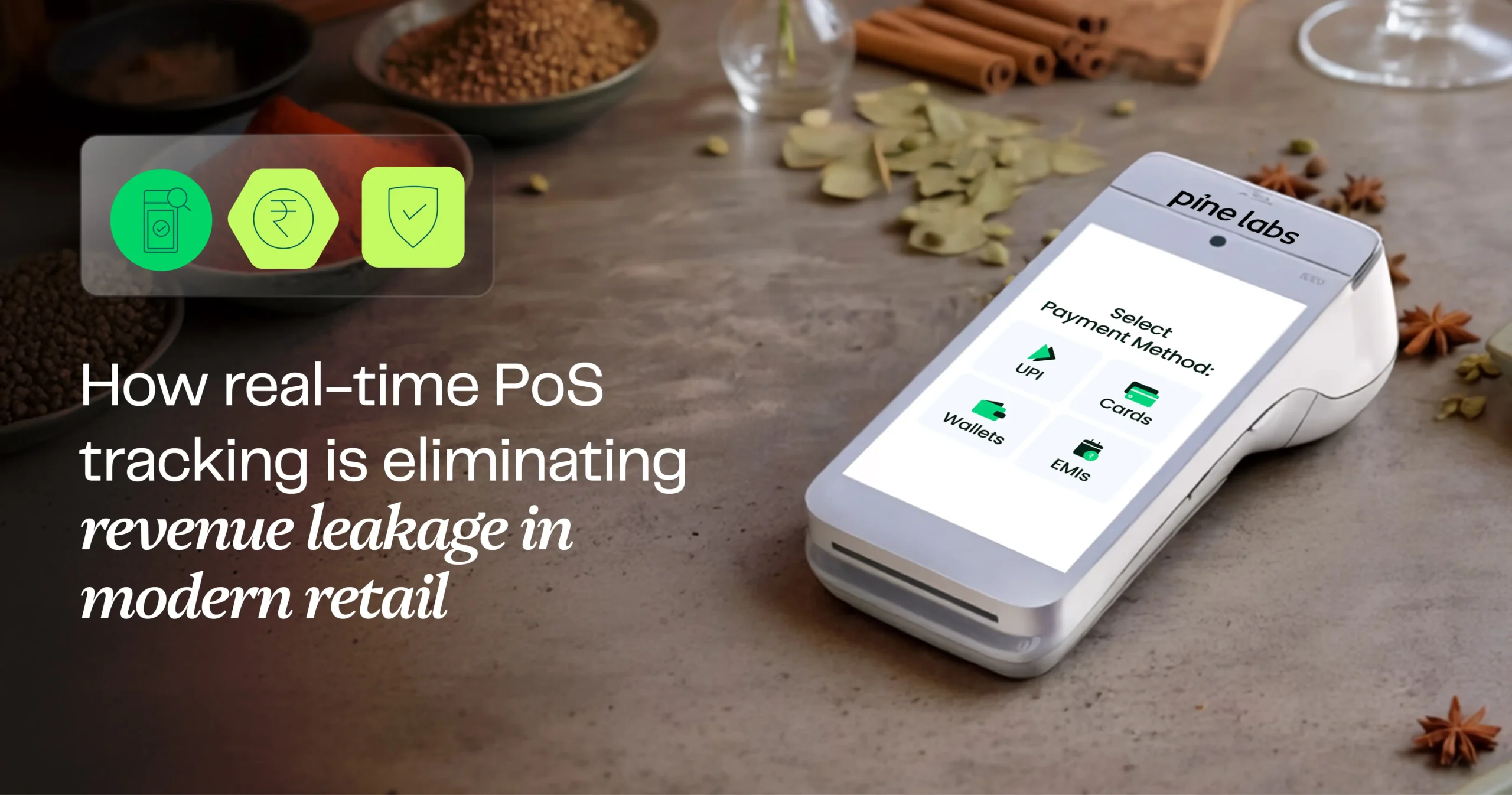
India’s digital payments ecosystem is expanding rapidly, often faster than retailers can adapt operationally. Global digital payment transactions are projected to exceed $3 trillion annually by 2028, reflecting the scale of this transformation. As businesses move towards cashless payments, transaction management becomes increasingly complex. Modern checkouts now support multiple payment methods, including cards, mobile wallets, QR codes, contactless payments and EMI options.
While these improve customer convenience, each additional payment channel introduces new reconciliation risks. Industry reports estimate that over 70% of retailers lose up to 5% of revenue due to operational inefficiencies and transaction errors. In most cases, the issue is not fraud but limited visibility, as fragmented transaction data across terminals, stores and settlement cycles makes it harder for finance teams to detect discrepancies quickly.
At Pine Labs, we recognise this growing challenge and focus on building solutions that give merchants greater real-time visibility into transactions. With our app, Pine Labs One, you can manage payments more efficiently and reduce revenue leakage.
The effects of broken PoS visibility
For high-volume retailers, the Point-of-Sale (PoS) system is much more than just a billing tool. It serves as the operational nerve centre of the business. When PoS tracking is delayed or missing entirely, the consequences extend far beyond the immediate transaction:
- Reconciliation mismatches: Discrepancies between billing systems and payment records typically don’t surface until end-of-day or weekly reviews, often well past the point where easy corrections can be made. This delay creates a backlog of unresolved issues.
- Undetected transaction anomalies: Without real-time monitoring, issues like duplicate charges, failed settlements or unusual activity patterns can go unnoticed until they escalate. These anomalies can be damaging both financially and to customer satisfaction if not caught immediately.
- Peak-hour manual errors: High checkout volumes increase the likelihood of human error, particularly during peak shopping times. Without live visibility, these mistakes can be impossible to identify and rectify in the moment, leading to revenue loss and customer dissatisfaction.
- Delayed issue resolution: When discrepancies are only detected during reconciliation, the process of recovering lost revenue becomes both time-consuming and operationally disruptive, requiring additional resources and manpower to resolve.
For businesses handling thousands of transactions daily across multiple locations, even a 1% error rate can translate into substantial financial exposure and a significant operational burden. All of this could have been avoided with real-time oversight.
Operational outcomes enabled by a real-time PoS tracking system
In response to these challenges, forward-thinking retailers are recognising that relying solely on end-of-day reconciliation is a reactive approach in a retail environment that demands proactive operational control. The industry is moving away from batch-based reporting and fragmented dashboards towards continuous, real-time transaction monitoring and unified visibility.
Pine Labs One is designed to support this shift by giving merchants a centralised view of transactions across their Pine Labs PoS devices. When PoS tracking is functioning at full capacity, its operational impact is evident in several key areas:
- Live transaction monitoring: Every transaction is visible in real-time across all stores and terminals as soon as it occurs, eliminating the lag time associated with batch processing. This instantaneous visibility provides a more accurate and up-to-date picture of business operations.
- Instant anomaly alerts: If any issues, such as duplicate charges or failed payments, arise, they are flagged immediately, rather than during a delayed review at the end of the day or week. This quick detection enables businesses to act fast and address the issue before it escalates.
- Automated reconciliation: Transaction records are automatically matched with settlement reports, significantly reducing the manual effort and time required from finance teams. This automation speeds up reconciliation processes and reduces the risk of human error.
- Unified store performance view: Finance and operations teams gain access to a consistent, real-time view of performance across all locations. This unified data allows for faster, more informed decision-making and helps optimise overall store operations.
For multi-store retailers, the difference between real-time operational intelligence and batch reporting can be the difference between managing exceptions reactively and preventing them proactively. Businesses using live transaction dashboards can resolve discrepancies up to 60% faster than those relying on end-of-day reports, according to merchant data.
Strengthening operational control before revenue leakage grows
As retail payments continue to evolve, businesses face growing complexity in managing transaction volumes and multiple payment methods. Companies that rely on delayed reporting or fragmented systems risk losing visibility into their revenue flows at the moment it matters most, during the transaction process. Real-time PoS tracking is no longer limited to large enterprises. It has become a critical operational safeguard for businesses that prioritise financial accuracy, efficient checkouts and scalable growth.
By adopting integrated PoS tracking and real-time transaction visibility, retailers can significantly reduce reconciliation errors, prevent revenue leakage and strengthen financial control. Pine Labs One enables this transition by giving businesses a unified view of transactions, settlements and operational performance across their PoS network.
Explore how integrated PoS tracking systems can transform your transaction monitoring, reduce reconciliation errors and ultimately drive financial control across your entire retail network.