

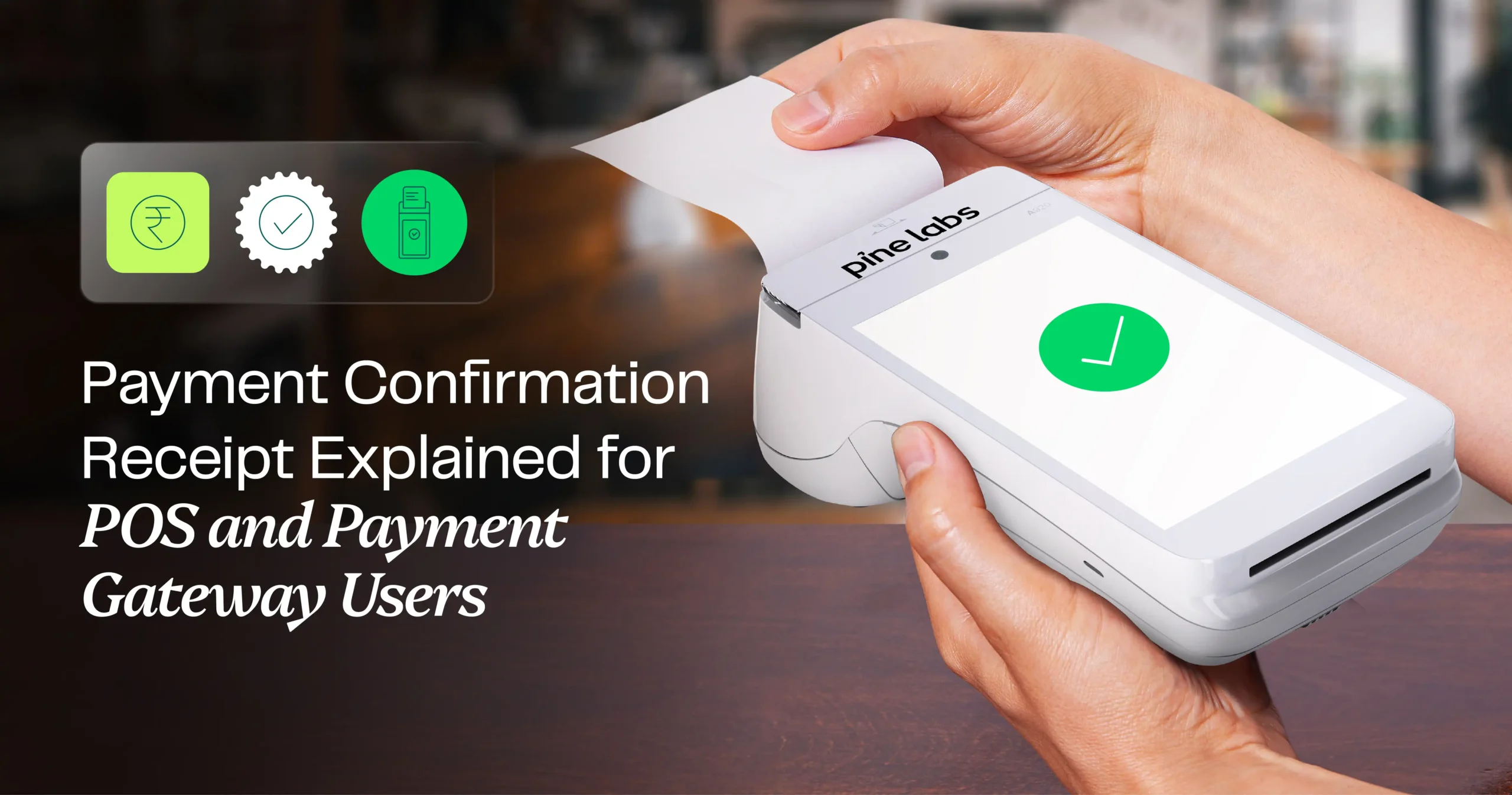
The Indian retail sector is undergoing a profound shift as digital payments become the default mode of transaction. Industry estimates now suggest that more than 99% of payments are executed digitally, reflecting a consumer landscape that expects speed, convenience and transparency. Yet, despite this widespread digital adoption, reconciliation continues to be one of the most labour-intensive back-office tasks for merchants.
Delayed refunds, mismatched settlements and repeated spreadsheet checks often create bottlenecks at the very moment businesses need operational clarity. As payment volumes rise across channels, verifying every transaction manually becomes impractical and increasingly unsustainable.
In this environment, digital payment receipts are emerging as essential instruments, offering structured, verifiable records that strengthen financial accuracy, streamline settlement cycles and give merchants clearer control over daily operations.
The hidden cost of manual reconciliation
Many of the challenges faced during reconciliation stem from inconsistent or incomplete payment documentation. Even well-run stores encounter issues such as:
- Transactions marked as “successful” on the system but missing from bank statements
- Incorrect order IDs or payment modes entered during peak rush
- Refunds that do not match the original transaction reference
- Staff relying on screenshots instead of validated digital confirmation
- Payment updates scattered across WhatsApp messages, emails and physical slips
These discrepancies often create revenue leakage, extend billing disputes and place unnecessary pressure on finance teams. Industry observations show that teams can lose 20 to 40 hours each month resolving settlement mismatches, rechecking paperwork and matching payment receipts manually.
Without a digital-first, structured approach, reconciliation becomes a reactive task, often performed under time pressure, rather than a predictable, well-governed workflow. This not only affects cashflow visibility but also reduces the operational confidence required for day-to-day decision-making.
Why digital payment receipts are becoming the standard
As retail networks expand and payment channels multiply, manual reconciliation methods no longer align with the scale or pace of modern commerce. Digital payment receipts are increasingly replacing traditional documentation for three key reasons:
- Automated data capture reduces human error
Every transaction generates a verified digital record that includes timestamps, order numbers, payment instruments, terminal identifiers, settlement references and card tokens where applicable. This removes the risk of manual entry errors and ensures consistent formatting across outlets.
- Accelerated settlement tracking
Digitised payment receipts allow merchants to verify settlements more quickly. Discrepancies are surfaced in real time rather than discovered during month-end financial reviews, which helps reduce delays, improve cash flow predictability and strengthen financial discipline.
- Consistent, error-free billing across channels
As businesses operate through in-store PoS systems, online checkouts, QR payments, dynamic QR journeys, BNPL products and digital wallets, digital receipts create a single source of truth. Unified identifiers eliminate duplication and simplify reconciliation for multi-format retailers.
This transition is further reinforced by modern commerce platforms that use digital receipt intelligence to support scalability, compliance and operational automation.

Operational advantages of digital payment receipts
Digital payment confirmation receipts offer several measurable benefits across daily merchant operations:
- Immediate verification between PoS and bank statements
Merchants receive up-to-date confirmation of payment status, improving real-time cash flow visibility and minimising ambiguity.
- Enhanced store-level accountability
Digital receipts capture device IDs, cashier IDs and exact timestamps, creating a reliable and tamper-proof audit trail, particularly useful during shift handovers, staff changes or discrepancy investigations.
- Minimised customer disputes
Validated digital receipts reduce resolution times for duplicate or failed transactions, strengthening customer trust and reducing service escalations.
- Simplified GST and ledger management
Accurate digital entries streamline tax filings, reduce paperwork inconsistencies and strengthen compliance adherence across stores.
- Faster month-end closings
Retail networks benefit from smoother settlement reports, enabling finance teams to close books earlier with improved confidence and fewer manual interventions.
Together, these advantages help transform reconciliation from a repetitive, error-prone chore into a structured, technology-enabled process embedded within everyday operations.
Strengthening merchant control through digital receipts
Digital payment receipts have moved well beyond basic documentation. They now act as strategic enablers that strengthen financial governance, reduce reconciliation errors and create the operational clarity merchants need to scale with confidence. When structured, automated receipts become part of everyday workflows, businesses gain sharper visibility of settlements, higher accounting accuracy and meaningful reductions in manual verification time.
As retail networks diversify, modern commerce platforms offer the intelligence required to keep every transaction verifiable, auditable and effortlessly reconciled. For merchants focused on sustainable growth, adopting digital receipt intelligence is no longer an incremental enhancement. It is a decisive step towards building faster closings, stronger compliance and a more resilient financial foundation.
Explore how advanced digital payment receipts can elevate your reconciliation processes, and start assessing modern payment infrastructure designed for future-ready retail.